Supporter culture taught the modern concert crowd how to move together. Terrace capos, megaphones, and drumlines pioneered call-and-response, steady tempos, and bold visual signals that pop and rock audiences eventually adopted. When these practices left the stadium, they gained softer edges yet kept the same pulse: a beat people can feel in their ribs, directions they can read from a single raised arm, and permission to participate without auditions, rehearsals, or fear of getting it wrong.
Handclaps traveled from gospel services and jazz basements into rhythm and blues, Motown, arena rock, and beyond. The stomp‑stomp‑clap immortalized by Queen distilled centuries of communal timekeeping into a stadium‑ready spark. That pattern taught crowds to become percussion sections, bridging stage and seats with one shared groove. When thousands align on a simple accent, the room expands, and the groove becomes architecture, guiding every body present toward the same satisfying downbeat and the same collective breath.
Fanchants showed how preparation can amplify emotion. Fans print phonetic guides, rehearse pre‑chorus shouts, and time responses to dance breaks with astonishing accuracy. Rather than smother spontaneity, the script frees it, because everyone knows their role. The result is euphoria with precision: synchronized lightsticks blooming on cue, names shouted like drum fills, and a sea of voices that supports every high note. Newcomers feel included instantly, because the instructions are generous, shareable, and lovingly maintained online.

Visual communication thrives when sound is deafening. Color‑coded posters spell messages during ballads. A single flashlight sweeping left to right teaches the section to sway. Hand circles mean keep the chant cycling; a flat palm drops the volume to a whisper for dramatic effect. These languages evolve show by show, traveling through fan cams and tutorials. The best signals are unmistakable at distance, survive poor sightlines, and respect accessibility needs while still lighting the fuse of togetherness.
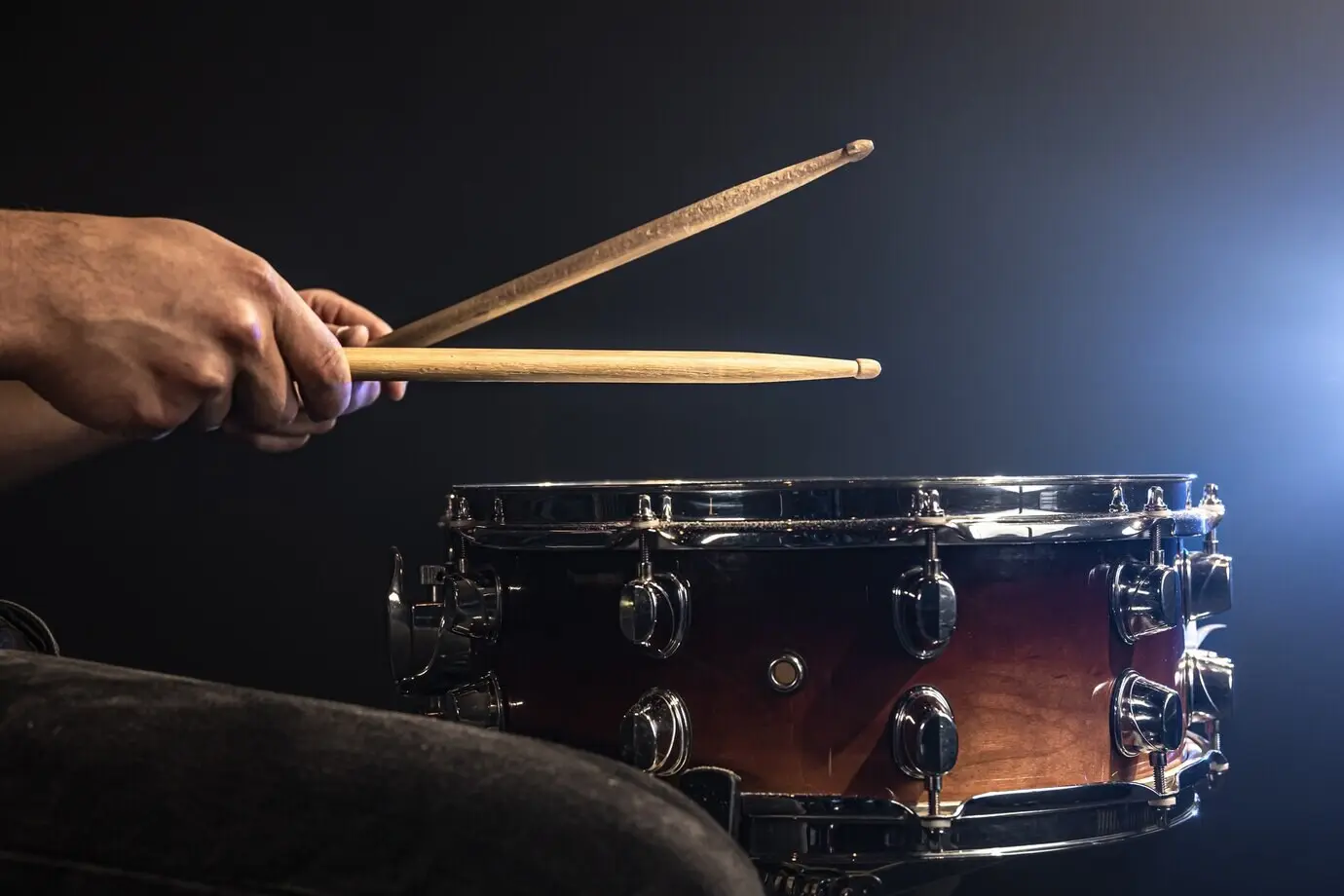
Sometimes the heartbeat stands among us. A floor tom, snare, or even a plastic bucket anchors tempo when the PA washes detail away. That steady eighth note lets every chant land on time, turning chaotic echoes into confident unison. Capos on terraces understood this decades ago; concert diehards revive the method with portable sticks and disciplined rests. When the drummer falls silent, the silence itself becomes a cue, and the return of the beat feels like sunrise.
Coordination often begins long before doors. Fans build spreadsheets for sections, distribute lyric cards via group chats, and simulate timing on voice notes. A viral clip becomes a rehearsal tool, teaching micro‑movements across continents. Yet on the day, plans must bend. Latency, layout, and mood demand quick edits. The sweetest success arrives when preparation meets improvisation: a backbone of clear cues, flexible phrases, and leaders empowered to adapt so the crowd never loses joy chasing perfection.

It started with four friends in row twelve practicing a soft clap on the rests. Two minutes later, the section felt it, then the floor, then the rafters. The drummer heard and left space. The band smiled without breaking the groove. After the show, strangers found each other online, surprised to learn they had conducted a stadium using nothing but patience, timing, and trust that quiet can travel farther than shouting when the melody is listening.
A power blip killed the PA for twenty seconds. Phones rose instinctively, then swayed in slow counts of eight. Someone hummed the chorus soft and low, enough for neighbors to catch. By the time the system returned, the arena was already singing, perfectly in time, guided by a thousand tiny metronomes. The band eased back in, matching the crowd’s tempo, and the chorus landed like dawn. Imperfection had rehearsed us into being the arrangement we needed.
In a dense pocket near the rail, airflow thinned and faces tightened. A nearby fan lifted a palm and mouthed breathe, starting a gentle count on fingers. The row mirrored the gesture, then the next, and the next, until an entire section inhaled together. Security arrived quickly, space opened, and the music softened as if sensing the pulse. Later, those strangers met again, exchanging bracelets and messages, grateful that kindness can be choreographed in an instant with open hands.
All Rights Reserved.