
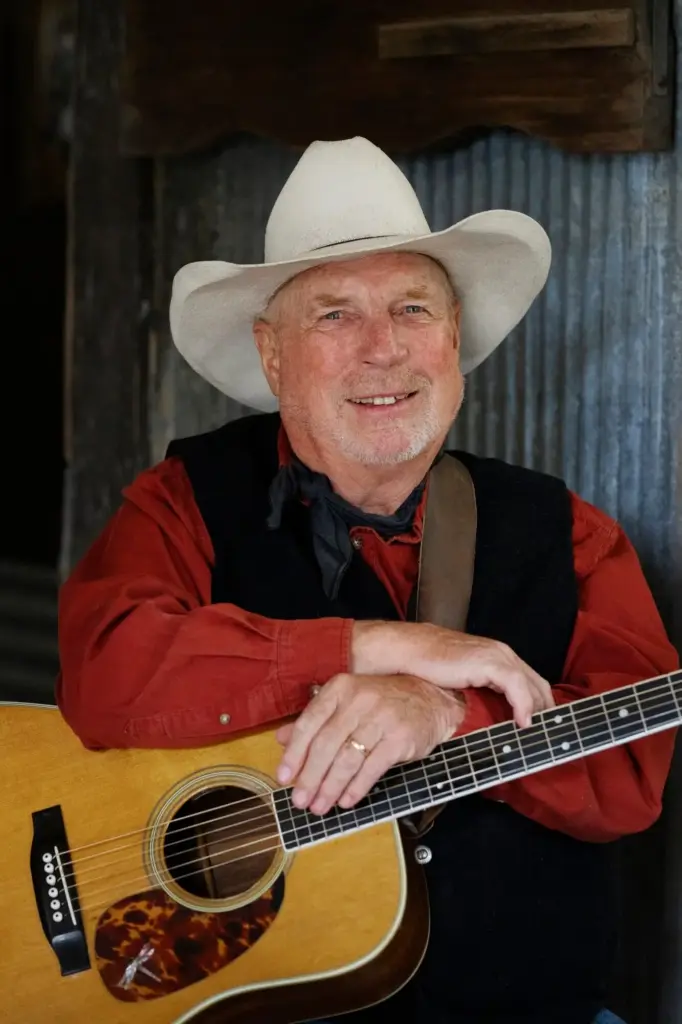

Echoes That Unite: How Concert Chants Grew From Call-and-Response Traditions

Today we explore the evolution of concert chants and call-and-response rituals, tracing how ancient communal music-making transformed into stadium-shaking singalongs and tightly choreographed shout-backs. From ring shouts and spirituals to punk pile-ons, gospel pews, hip-hop hype, and festival fields, we’ll follow voices learning to move as one. Expect stories, sound-shaping techniques, and cultural threads that connect improvisation, identity, and joy—plus practical ideas to spark participation at your next show and invitations to share your most unforgettable chorus-of-thousands moments with fellow readers.

Antiphony, Drums, and the Circle’s Wisdom

In West African traditions, a lead voice or drum calls and the circle responds, reinforcing memory through repetition and communal timing. The ring shout brought feet, claps, and bodies into a conversation that went beyond entertainment into survival, identity, and learning. This embodied exchange seeded a durable musical logic: short phrases, clear cues, and rhythmic hooks. Generations later, the same logic empowers tens of thousands to sync instantly under floodlights, echoing very old wisdom each time a chorus lifts and the crowd answers without hesitation.

From Spirituals to Gospel’s Electric Dialogue

Spirituals and later gospel worship refined leader–congregation dynamics into a vivid, soul-stirring dialogue. A preacher’s cadence and a choir’s reply trained ears to anticipate turns, feel rests, and erupt on cue. That fluency migrated onto stages, where singers like Mahalia Jackson inspired mass participation with accessible refrains. The habit of listening for a cue and returning it with conviction shapes modern concerts, whether in intimate clubs or vast arenas—proof that sacred call-and-response techniques quietly scaffold how crowds now sing, shout, and sustain long, swelling codas together.

Work Songs, Shanties, and the Beat That Carries Labor

Work songs and sea shanties paced oars, hammers, ropes, and sails, aligning physical effort with chantable lines. Leaders improvised calls that matched tasks, while crews answered in sturdy, repeatable patterns. That functional music fostered timing, resilience, and humor—qualities alive today when audiences pick up a simple pattern and keep it driving for minutes. The modern revival of shanty culture, amplified by viral clips and communal singalongs, shows how practicality became artistry, and how the coordination of bodies still finds its best ally in a chant everyone can grasp.

From Clubs to Arenas: Scaling the Human Chorus

Microphones, PAs, and festival staging magnified a centuries-old instinct. As artists moved from sweaty basements to cavernous domes, chants required clearer shapes: stomps, claps, vowel-heavy hooks, and sections built to loop until the architecture itself seemed to sing. Iconic moments—think Freddie Mercury’s playful “Ay-Oh” volleys, or thousands locking into a familiar pattern—proved that design matters. The leap in scale didn’t dilute intimacy; it rewired it, transforming scattered voices into a single, rolling instrument that could thunder, whisper, and bloom on conductor-like gestures from the stage.

The Mic Commands the Echo

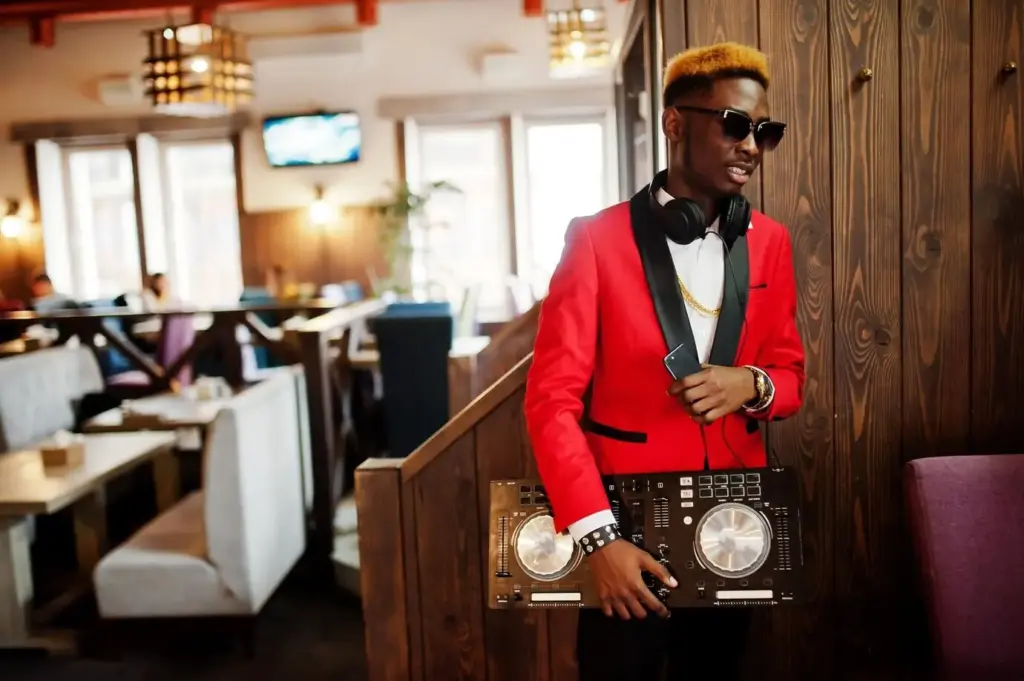
In hip-hop, reggae, and dancehall, the interplay between leader and crowd is both craft and heritage. MCs sharpen cues, pacing, and phrasing so thousands can respond on time and with swagger. Hype teams calibrate volume, syllables, and hand signals; DJs carve space for call lines; riddims leave pockets for the volley. This is choreography without steps, guided by breath and beat. A well-timed pause can lift a roof. Those techniques now permeate pop and rock shows, proving that the mic’s invitation shapes how audiences hear themselves.

Chants as Social Glue

Beyond entertainment, mass singalongs reinforce identity, belonging, and action. Protest movements teach durable structures—call lines that encode values, replies that strengthen courage. Punk and hardcore tighten that ethic into gang vocals and pile-ons, turning strangers into allies for three roaring minutes. Chants remember what speeches forget; they travel fast and stick. When artists honor this power—welcoming all voices, naming boundaries, amplifying marginalized stories—they transform a show into a meeting place. The result is fellowship with feedback: shared cadence, shared intention, and memories that refuse to fade.

From Streets to Stages and Back Again

Rally cadences often migrate into concerts, where crowds test them for comfort, tempo, and emotional lift. Later, those refined lines return to streets carrying better breath support, clearer diction, and sturdier pacing. The exchange is reciprocal: stages borrow urgency; marches borrow clarity. When artists credit movement origins and invite local leaders to shape moments, echoes become bridges rather than slogans. This respectful loop ensures that voices amplify causes without flattening them, and that the architecture of a chant serves real people, not just dramatic Instagram posts.
Gang Vocals, Pile-Ons, and the Joy of Many

In punk and hardcore, choruses built for shouting erase distance between stage and crowd. The mic passes, boots leave the floor, and hands find shoulders as a room becomes a single instrument. Short, vowel-rich lines with steady downbeats invite fearless participation, while brief rests let lungs catch up. The effect is catharsis without pretense: imperfect, inclusive, loud. Bands that set respectful norms—no dropped friends, no stage-diving on the unwilling—prove that intensity and care can coexist, turning raw noise into a trust exercise that keeps people coming back.
Building Spaces Where Every Voice Fits

Belonging grows when participation is accessible. That means visible lyric prompts, varied volume levels, quiet corners, and cues explained from the stage. Leaders can model inclusive language, avoid insider-only references, and frame call-and-response as invitation rather than test. When fans who sign, hum, clap, or simply sway feel equally valued, chants become richer and more durable. Communities that practice consent—in singing, touching, and filming—tend to sing better, too. Safety and inclusion are not mood-killers; they are the conditions that let a room discover its most resonant chorus.


Anatomy of a Chorus You Can Shout

Great chant design blends craft and cognition. Repetition frees attention; strong downbeats anchor breath; open vowels carry farther than tangled consonants. Hooks should survive poor acoustics, varied languages, and nerves. Visual cues help: sticks high, lights pulsing on two and four, band members mirroring gestures. Keep lines short; end phrases where lungs demand a break; build simple harmonies fans can discover. When structure meets emotion—nostalgia, pride, defiance—the room aligns effortlessly. Thoughtful design turns a melody into muscle memory and a crowd into a confident, joyful instrument.

Melodic Minimalism and Rhythmic Heuristics

A chant thrives when melody hugs a small range, hugging tonic and dominant with occasional lift. Rhythm should favor predictable groupings, with emphasized beats that match how feet like to fall. These heuristics reduce cognitive load, letting adrenaline and emotion steer. Slip in a well-timed rest to trigger louder answers, and state the call twice before expecting a reply. Overcomplication kills nerve; simplicity wins trust. When the groove feels inevitable, even shy listeners join, and the venue’s architecture starts adding its own sonorous reverb of approval.

Why Vowels Travel Farther Than Consonants

Open vowels—“ah,” “oh,” “ay”—project cleanly across air and bodies, while dense consonant clusters crumble in echoes and crowd chatter. Designing lines around vowels extends reach and reduces muddiness, especially outdoors or in concrete domes. Consonants still matter; they create punch and identity, but let them land on strong beats and not too many at once. Think of a call like a lighthouse and vowels like its beam. When hundreds breathe together on a round, open shape, the sound cuts, blooms, and settles with satisfying ease.

The Digital Echo: Memes, Streams, and Global Spread

Phones, feeds, and playlists now accelerate the travel of chants. A short clip from a club can seed a festival trend by the weekend; translations and remixes sprout overnight. Algorithms reward repeatable hooks and visible joy, archiving micro-rituals for new cities to adopt. Yet authenticity matters: communities notice when moments are staged without care, or when credit disappears. Thoughtful sharing—asking consent, tagging local creators, noting origins—strengthens culture rather than flattening it. Online tools can widen the circle if we remember to carry humility alongside the megaphone.

Your Turn: Make the Room Answer Back

Ready to try it? Start small, choose simple shapes, and teach with generosity. Craft one call that fits your breath, one response that fits theirs, and practice gestures that read from the balcony. Invite the quietest listeners first; let confidence build. After the show, collect stories, share clips with context, and ask how the moment felt. We’ll feature standout examples, credit originators, and keep learning together. Subscribe, comment with your favorite chant memories, and tell us what worked, what didn’t, and what you want to try next.
Kunanifomenilepume
Privacy Overview

This website uses cookies so that we can provide you with the best user experience possible. Cookie information is stored in your browser and performs functions such as recognising you when you return to our website and helping our team to understand which sections of the website you find most interesting and useful.